The Rubicon Project is an advertising technology firm based in Los Angeles. It was founded in 2007 by Frank Addante, Craig Roah, Duc Chau and Julie Mattern, who had previously worked together at the ad network L90, and by 2014 it was one of the largest independent sell-side platforms in the world.
The goal: automate advertising
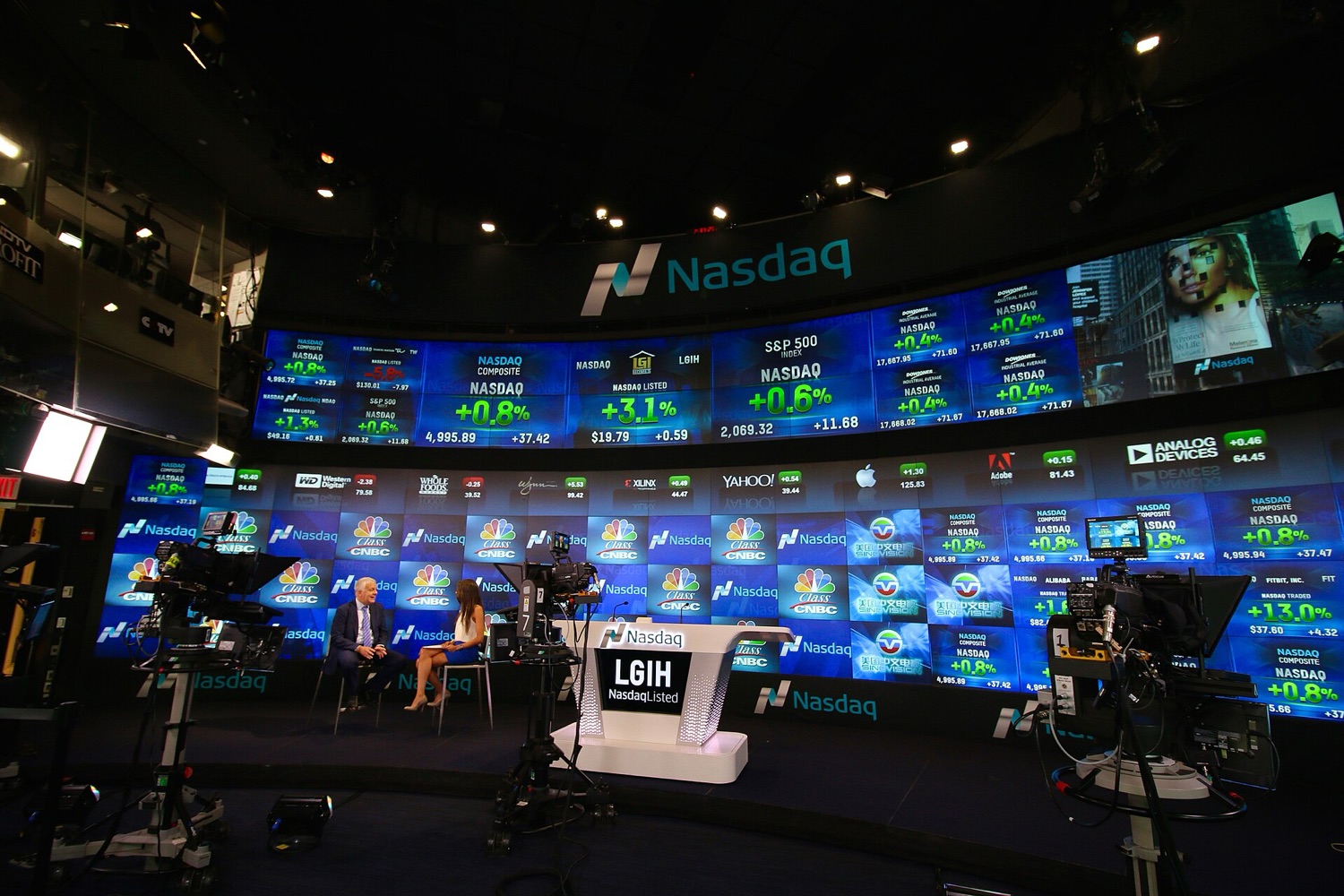
Rubicon Project's pitch was simple. It wanted to do for advertising what NASDAQ did for stock trading: replace phone calls and insertion orders with an automated marketplace. Its engineers built one of the largest real-time cloud and big-data systems on the internet, processing trillions of transactions a month within milliseconds. The company had fourteen offices, including New York, San Francisco, Paris, Hamburg, Sydney, London and Tokyo, and went public on the New York Stock Exchange in April 2014.
The Advertising Automation Cloud
In 2014 the platform ran on more than 25,000 CPUs with a 260 Gb transit network and 2.4 petabytes of data processing. It was split into two products:
- Seller Cloud optimized revenue for each impression a publisher sold, using thousands of machine-learning algorithms, whether the impression was sold by auction or direct order.
- Buyer Cloud gave advertisers access to roughly 600 million users across premium sites, including around 40 percent of comScore 100 websites.

REVV real-time trading
Hundreds of ad networks, agency trading desks and demand-side platforms used Rubicon's REVV platform to run more than 120 billion trades a month. Buyers got one access point to premium inventory from publishers such as ABC, Forbes, Time Inc., The Tribune Company, Virgin Media, News International, Electronic Arts and The Times of India.
| Commission type | CPM and CPC |
|---|---|
| Payment terms | Net 30 |
| Who it suits | Premium publishers with large, brand-safe audiences |
| Headquarters | Los Angeles, California |
From Rubicon to Magnite
In 2020 Rubicon Project merged with the video platform Telaria and renamed itself Magnite, now one of the biggest independent sell-side platforms for display, video and connected TV. Sports broadcasters and streaming apps use it to sell live inventory, and live sport is exactly where betting brands spend most heavily. If you run sports or gaming content, read how sports betting advertising works around big events.


